Printing is one of those business expenses that can quietly grow without attracting much attention.…
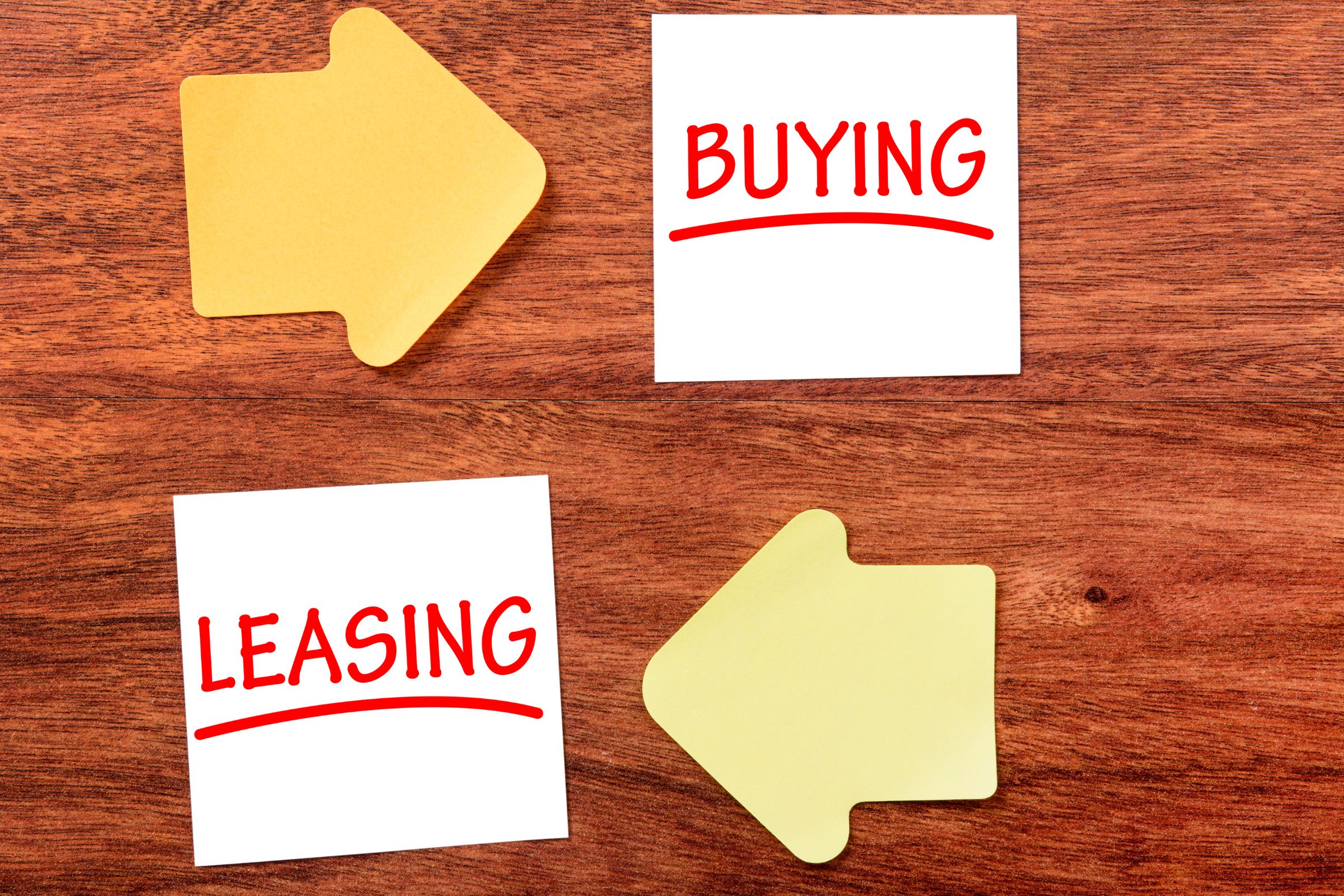
Leasing vs. Buying Office Equipment: What Works Best for Your Business?
When your business needs a new copier, printer, or multifunction device, one of the biggest decisions you’ll face is whether to lease or buy. Both options offer distinct advantages, and the right choice often depends on your budget, growth plans, and operational needs.
For many businesses, office equipment is more than just a purchase. It is an investment in productivity, efficiency, and day-to-day operations. Choosing the wrong path can lead to unnecessary expenses, outdated technology, or equipment that no longer supports your workflow.
If you’re evaluating your options, this guide will help you understand the benefits of leasing and buying so you can make an informed decision that supports your business goals.
Why Your Office Equipment Strategy Matters
Office technology has evolved significantly over the last decade. Today’s businesses rely on equipment that does far more than print documents. Modern copiers and printers support cloud connectivity, mobile printing, document management, workflow automation, and advanced security features.
Because these devices play such an important role in daily operations, the way you acquire them can impact:
- Cash flow
- Operational flexibility
- Productivity
- Technology adoption
- Long-term costs
Before deciding whether to lease or buy, it’s important to evaluate both your current needs and your future plans.
The Advantages of Leasing Office Equipment
Leasing has become increasingly popular among businesses looking to preserve capital and maintain access to newer technology.
Lower Upfront Costs
One of the biggest benefits of leasing is avoiding a large initial investment. Rather than paying thousands of dollars upfront for new equipment, businesses can spread costs into manageable monthly payments.
This allows companies to preserve working capital for other important initiatives such as hiring, marketing, inventory, or expansion.
Easier Access to New Technology
Office technology changes quickly. Features that were considered advanced just a few years ago are now standard.
Leasing often makes it easier to upgrade equipment at the end of a lease term, allowing businesses to benefit from newer technology without having to replace purchased equipment prematurely.
Businesses looking for modern copiers and printers often choose leasing because it provides flexibility as technology evolves.
Predictable Monthly Expenses
Budgeting becomes easier when equipment costs are consistent.
Many lease agreements include maintenance and support, helping businesses avoid unexpected repair expenses. Instead of worrying about large service bills, companies can forecast equipment costs more accurately.
For organizations that rely heavily on office equipment, pairing a lease with professional copier service can help maintain consistent performance while reducing downtime.
Better Flexibility for Growing Businesses
Businesses experiencing growth often find leasing appealing because equipment needs can change over time.
A company that currently supports 10 employees may need significantly different printing capabilities within a few years. Leasing provides flexibility to adjust equipment as business requirements evolve.
The Advantages of Buying Office Equipment
While leasing offers flexibility, purchasing office equipment can provide significant long-term value for the right organization.
Full Ownership
When you purchase equipment outright, it becomes a company asset. Once the initial investment is made, there are no recurring lease payments.
For businesses with stable printing needs, ownership can provide greater financial control over the long term.
Companies exploring copy machine sales often prefer ownership because it allows them to maximize the value of their investment over several years.
Lower Long-Term Cost
While purchasing requires a larger upfront investment, the total cost over the life of the equipment may be lower than leasing.
If the machine remains reliable and continues meeting your business needs, ownership can generate significant savings over time.
This is especially true for businesses with predictable printing volumes and established workflows.
Freedom from Lease Restrictions
Ownership gives businesses complete control over how long equipment remains in service.
You are not bound by contract terms, upgrade schedules, or end-of-lease decisions. Businesses can continue using equipment for as long as it remains productive and cost-effective.
Key Questions to Ask Before Deciding
Every business is different, which means there is no universal answer to the lease-versus-buy question.
Consider the following factors before making a decision:
How much printing does your office handle?
High-volume environments often benefit from access to newer equipment and service agreements that leasing can provide.
How quickly does your business grow?
Fast-growing companies often appreciate the flexibility that leasing offers.
What is your available budget?
Businesses looking to preserve cash flow may find leasing more attractive, while companies with available capital may benefit from ownership.
How important is having the latest technology?
If staying current with workflow automation, cloud integration, and security features is a priority, leasing can make upgrades easier.
Common Mistakes Businesses Make
Many organizations focus solely on the monthly payment or purchase price without considering the total cost of ownership.
Additional factors that should be considered include:
- Maintenance expenses
- Equipment lifespan
- Productivity impact
- Repair frequency
- Technology obsolescence
- Energy efficiency
Businesses evaluating business copier solutions should look beyond initial costs and consider how equipment will support long-term operations.
Why Working with a Local Provider Makes a Difference
Whether you decide to lease or buy, choosing the right equipment partner is just as important as selecting the equipment itself.
A knowledgeable local provider can help assess your:
- Print volume
- Workflow requirements
- Budget goals
- Future growth plans
- Service expectations
Unlike large national retailers, local providers can often deliver faster support, personalized recommendations, and ongoing service relationships that help maximize your investment.
So Which Option Is Right for Your Business?
In general:
Leasing may be best if you:
- Want lower upfront costs
- Prefer predictable monthly payments
- Need flexibility as your business grows
- Value access to newer technology
Buying may be best if you:
- Have stable equipment needs
- Want long-term ownership
- Prefer to avoid recurring payments
- Plan to use equipment for many years
Neither option is inherently better than the other. The right choice depends on your business objectives, financial situation, and operational requirements.
Let RDC Copiers Help You Make the Right Choice
Whether you’re considering leasing a new copier or investing in office equipment ownership, RDC Copiers can help you evaluate your options and find the best solution for your business.
Our team works closely with organizations throughout New Jersey to recommend equipment that aligns with workflow needs, growth goals, and budget requirements.
If you’re ready to explore your options, contact RDC Copiers today to discuss leasing, purchasing, or upgrading your office equipment.
FAQ
Is it cheaper to lease or buy a copier?
It depends on your usage and business goals. Leasing typically offers lower upfront costs, while purchasing may provide lower overall costs over the life of the equipment.
What are the benefits of leasing office equipment?
Leasing provides predictable monthly expenses, easier access to newer technology, and flexibility for growing businesses.
Can I upgrade equipment during a lease?
Many lease agreements offer upgrade options, allowing businesses to move into newer technology as needs change.
Does buying office equipment save money?
For businesses with stable printing requirements and long equipment lifecycles, ownership can often provide long-term cost savings.
How do I know which option is right for my business?
The best choice depends on your budget, growth plans, technology needs, and workflow requirements. Working with an experienced office equipment provider can help you make the most informed decision.
Related Posts